

Although Glagolitic was the first alphabet that allowed the Slavs to write in their own language, it has since yielded its place to the more widely known Cyrillic script. The history of these two alphabets is often told in simplified terms—as the story of one writing system replacing another. But when we look more closely, we find two distinct orders—two entirely different philosophies of the sign and the word, two ways of understanding symbol and communication.
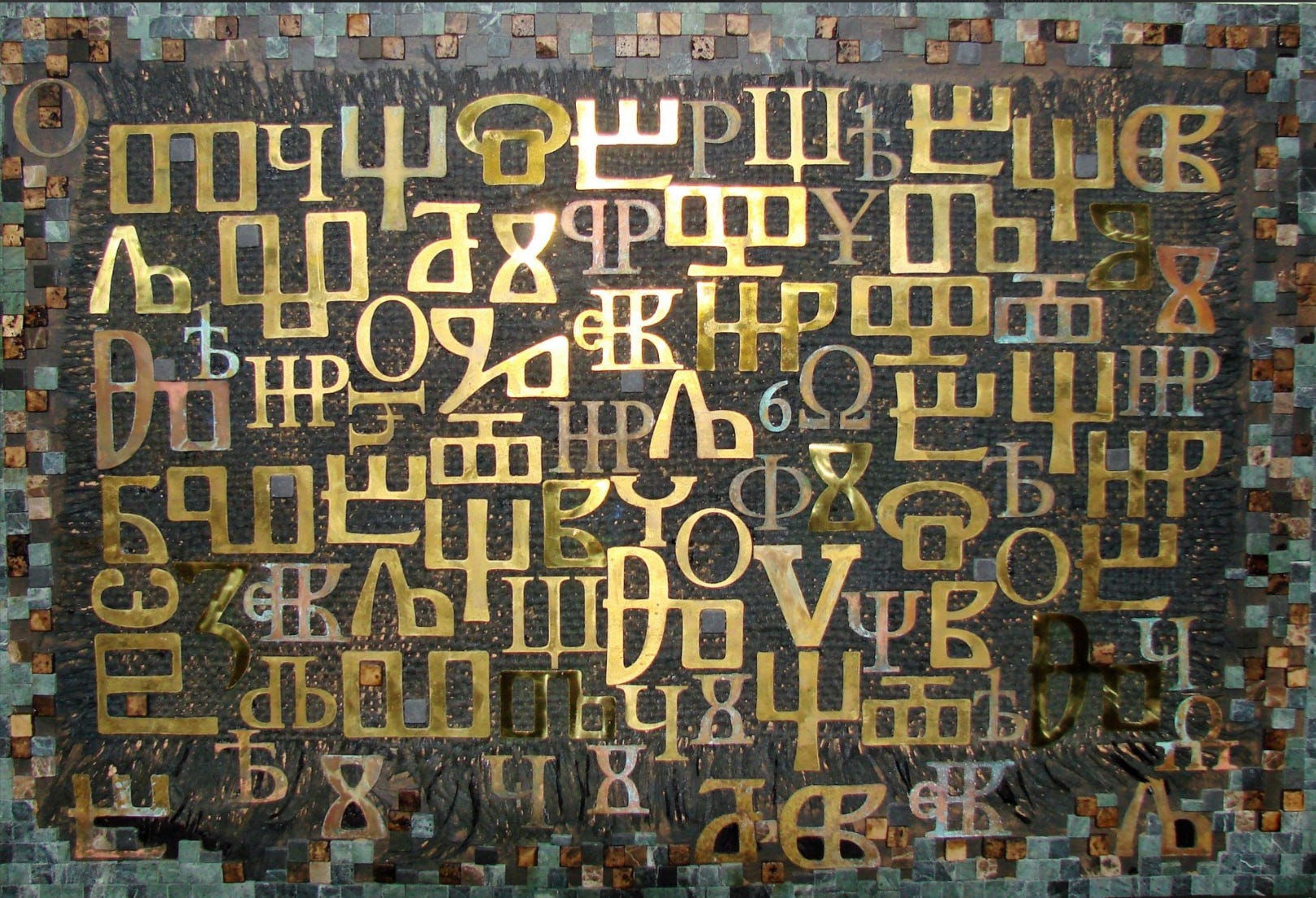
Contrary to popular belief, Cyrillic was not the creation of Cyril himself. It emerged after his death, around the turn of the 9th and 10th centuries, in the Bulgarian circles of Cyril and Methodius’s disciples—especially Clement of Ohrid. These followers, practical-minded inheritors of the Slavic mission, saw the need for an alphabet that was simpler, more utilitarian, easier for the masses of faithful to learn. Cyrillic was thus a pragmatic solution to everyday needs—closer in form and structure to the Greek alphabet, more functional, more accessible.
But it is precisely in this practicality and accessibility that the essential difference between Cyrillic and Glagolitic lies. Glagolitic was never meant to be a merely functional tool—it was a spiritual and philosophical project, almost esoteric in nature. The letters of this alphabet carried not only sounds, but also ideas, symbols, and values. They were closer to ideograms than to purely phonetic signs. In creating them, Cyril immersed himself deeply in the spiritual traditions of both East and West—but above all, in the symbolic sensitivity of the Slavic soul. Each Glagolitic letter was not just a shape or a sound, but a spiritual gesture, a space for meditation, a symbolic manifestation of cosmic order. The Cyrillic letters, while beautiful in their simplicity, did not carry this same dimension.
One might say that Glagolitic and Cyrillic represent two fundamentally different approaches to the relationship between humans and the word. Cyrillic enabled the fluid exchange of information; it served the intellect, logic, and communication. Glagolitic, on the other hand, always demanded stillness, reflection, and inner attention—it was closer to prayer, ritual, and spiritual contemplation. Its shapes, the rhythm of its lines, its crosses, circles, and triangles—all of it formed a symbolic whole, one that invited a deeper connection with the meaning it conveyed.
For centuries, both alphabets coexisted, often within the same communities, fulfilling different roles. Cyrillic was ideally suited to administrative, legal, and commercial uses. Glagolitic remained in the spiritual and sacred domain—in liturgy, prayers, incantations, and monastic manuscripts. This division was more than practical— it was a conscious or unconscious distinction between the secular and the sacred, the pragmatic and the mystical.
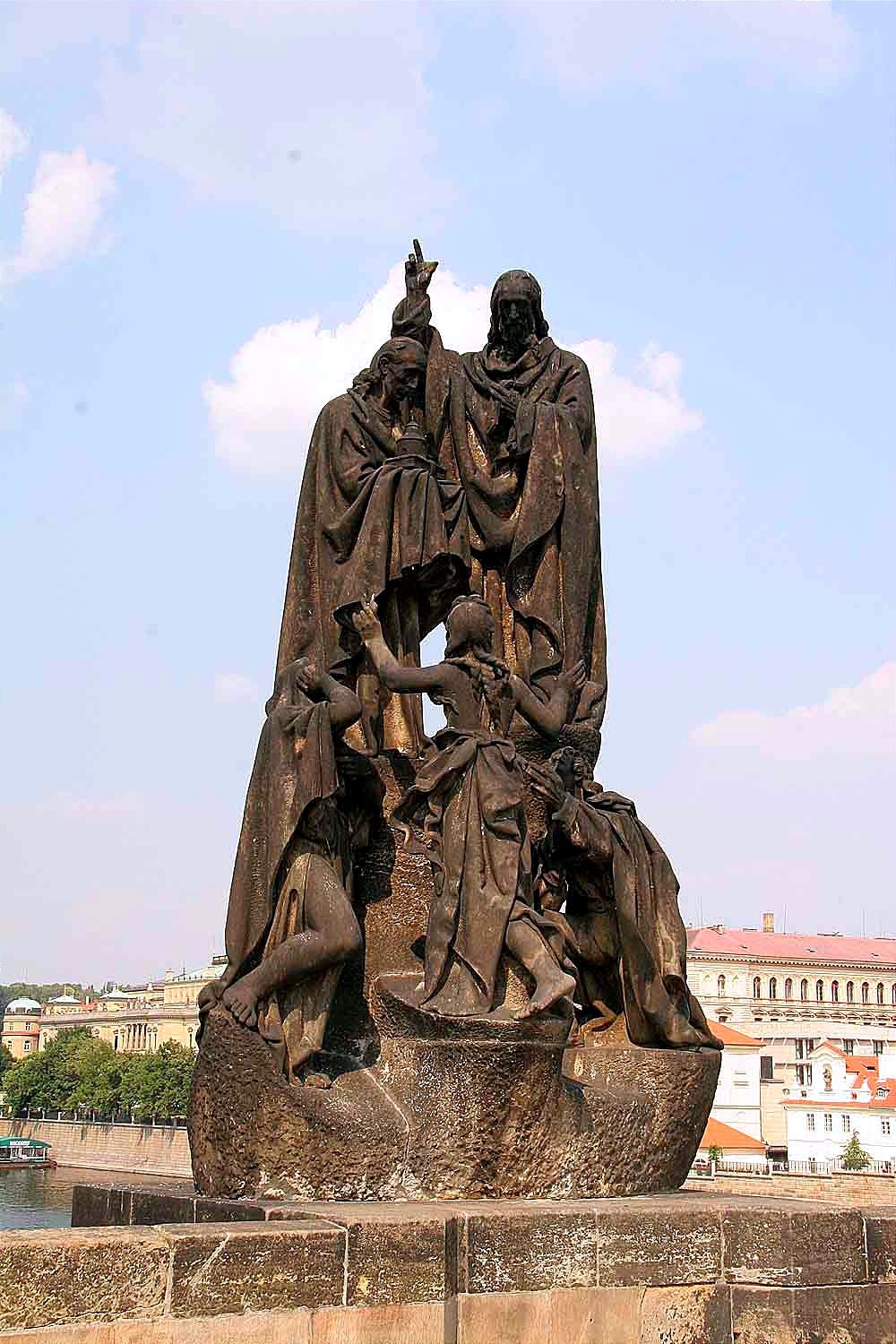
This subtle dualism is a fascinating example of the Slavic worldview—one that holds together two realms: the visible and the invisible, the rational and the intuitive, the external and the internal. The two alphabets reflected this same duality, inscribed deeply in the mentality, culture, and spirituality of the Slavs.
From a spiritual perspective, it is difficult to speak of one script being superior to the other. They simply served different roles: Cyrillic opened the door to understanding the world; Glagolitic led toward understanding oneself. One served speech; the other served silence. One was a path outward—into the world; the other, inward—into the soul.
This fragment comes from my work-in-progress book. As I move forward with the project, I plan to share various pieces of it to give readers a glimpse into the world I’m creating. If you enjoy this material, you can access the current version of the book through a paid subscription. And if you feel drawn to the project and would like to help shape its future, I’d be delighted to collaborate with you. :)