

In the former articles, we stopped at the nervous system as a layer of signals. At the fact that before thought, meaning or story can appear, the organism first has to detect something, translate it, and pass it onward. That already changes a lot, because it shows that the body is not a closed block moving through the world, but a system exposed to constant contact with differences, tensions and changes. But that is still not the whole picture. Because receiving alone is not enough. An organism does not live in order to merely register stimuli. It still has to do something with them.
And this is exactly where the basic loop begins — the one without which it is hard to describe a human being honestly. Something reaches us. Something is picked up. Something among it is treated as important. Something begins to mean something. And then a response appears: a movement, a tightening, a pause, a gesture, a word, an action. Only then does the system close the loop. And only then does it become clear that a human being is neither a passive screen onto which the world is projected, nor a solitary mind floating above the body. A human being is much closer to a living system moving in a constant circuit: receiving, organizing and responding. Work on active sensing and perception–action loops increasingly points in exactly this direction: organisms do not simply take in information from the world, but actively help shape it through orientation, movement and selection.
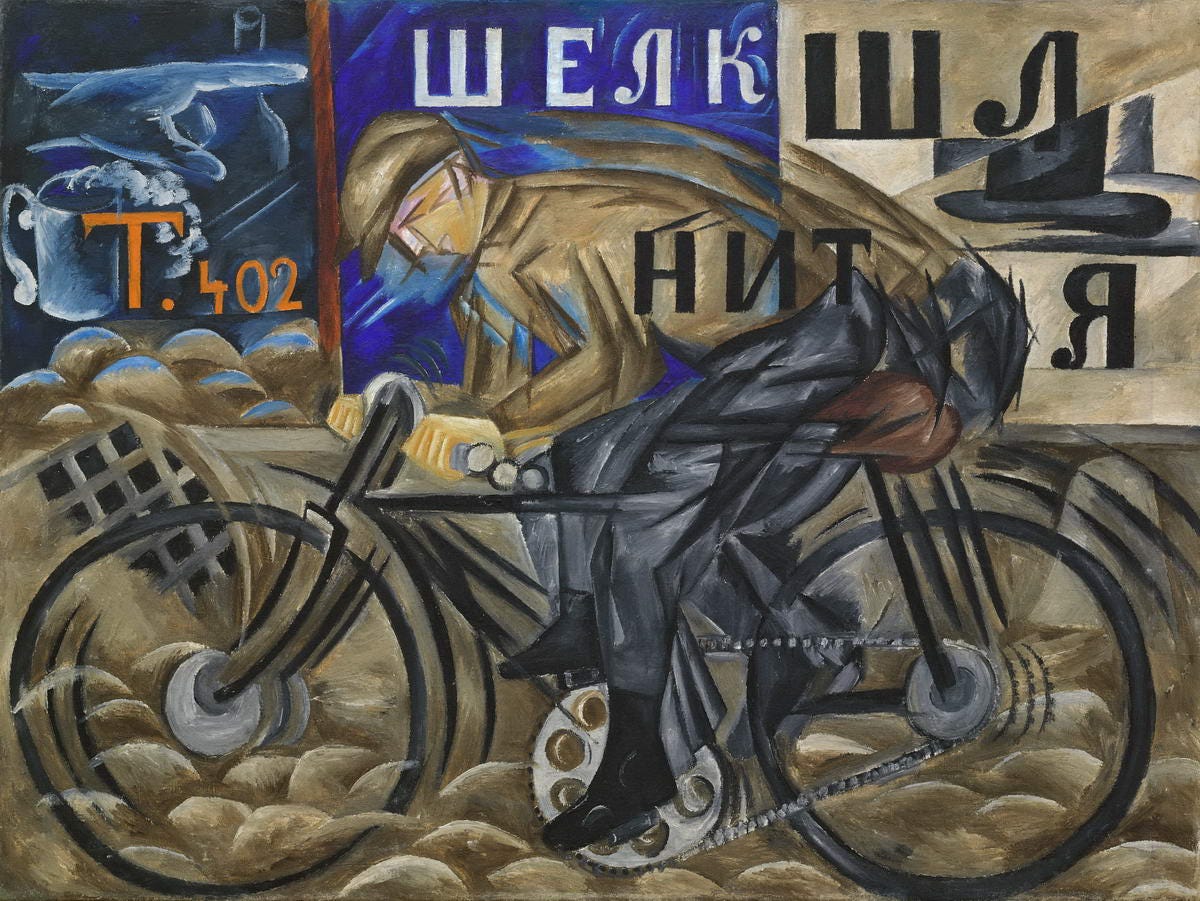
In everyday life we think about it much more simply. We say: I saw something, I heard something, I understood something, and then I reacted. It sounds as if everything happened in a neat line. First reception, then analysis, then response. The problem is that a living organism does not actually work in such an elegant order. Reception itself is already selective. The whole world does not arrive in us at once; only some fragment of it does. Even at that stage, something is already being singled out and something else is fading into the background. The organism does not register everything equally, because it cannot. It has to work economically. It has to pull out whatever, in that moment, may matter for life, movement, safety or purpose. Sensorimotor approaches describe perception not as passive copying of reality, but as an active extraction of what is useful for further action.
You can see this in very ordinary situations. You are sitting in a noisy place and suddenly you hear your own name. You are walking down the street, lost in thought, and with one quick movement you avoid someone stepping into your path. You enter a room and before anyone says a word, you already feel that “something is off.” These are not grand acts of conscious analysis. They are much more like fast, working assemblies of a situation: something stands out, something is registered as relevant, something triggers a readiness to respond. The world does not come to us as a pure recording. It comes more like material that must be organized immediately.
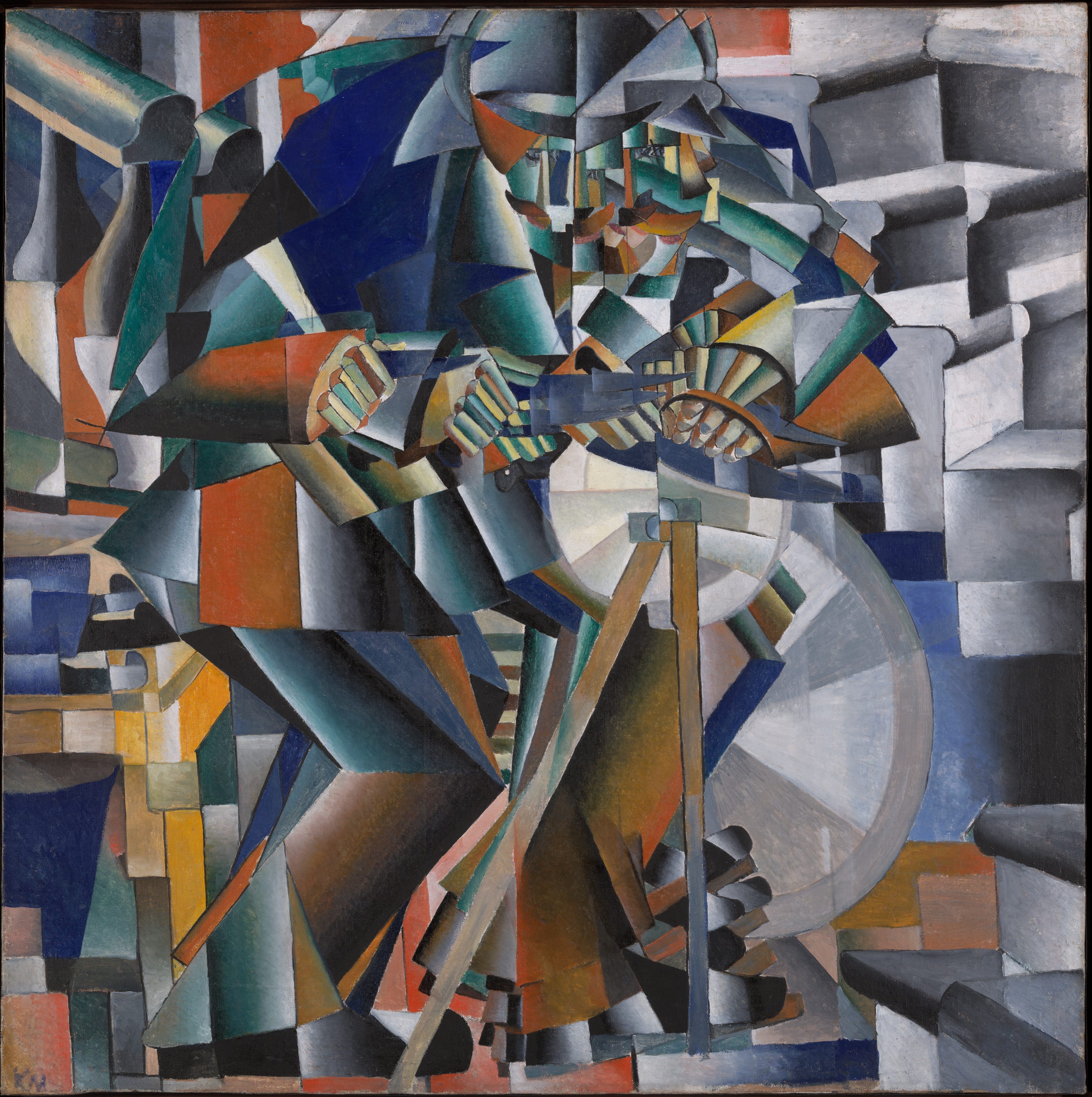
And this is where cognition appears. Not as an abstract luxury, but as the middle layer of the whole loop. Cognition is the moment when an incoming signal stops being merely a signal and begins to occupy some place in a working model of the situation. This is not yet deep reflection or philosophy. It is a simpler but more fundamental operation: this matters, this does not; this is familiar, this is not; this is threat, this is opportunity; this can be ignored, this requires an answer now. Contemporary frameworks such as predictive coding and active inference try to describe exactly this kind of process: the organism does not wait for the world to explain itself, but constantly compares what arrives with expectations, bodily state and possible action. At the same time, newer reviews also stress that these frameworks are still being developed and tested, rather than standing as a final and complete theory of mind.
This matters because it makes it easier to see that meaning does not fall onto us like a ready-made label. What something means depends on the whole situation of the organism. The same sound can be irrelevant when you are calm and alarming when you are tense. The same silence can feel like relief or threat. The same touch can be support or violation. What reaches us as a stimulus does not become meaningful in a vacuum. Meaning emerges at the meeting point of signal, bodily state, situational memory, expectation and readiness to respond. That is why separating “pure perception” from the rest of psychic life is so artificial. From the very beginning, the organism receives the world as something toward which it must somehow position itself.
And once it must position itself, reaction appears. This is the moment when the whole process becomes much more visible. Because reaction does not begin only when a person has fully “understood” what is happening. Very often it begins earlier. In a glance. In the tightening of the neck. In the withdrawal of a hand. In the turn of the torso. In the held breath. In moving closer to something or away from it. The organism is constantly responding, even when it has not yet formed a clear story about what is going on. Research on perception–action loops and sensorimotor control shows exactly this: effective behavior depends not only on incoming signals, but also on internal feedback and the ongoing correction of the relation between perception and action.
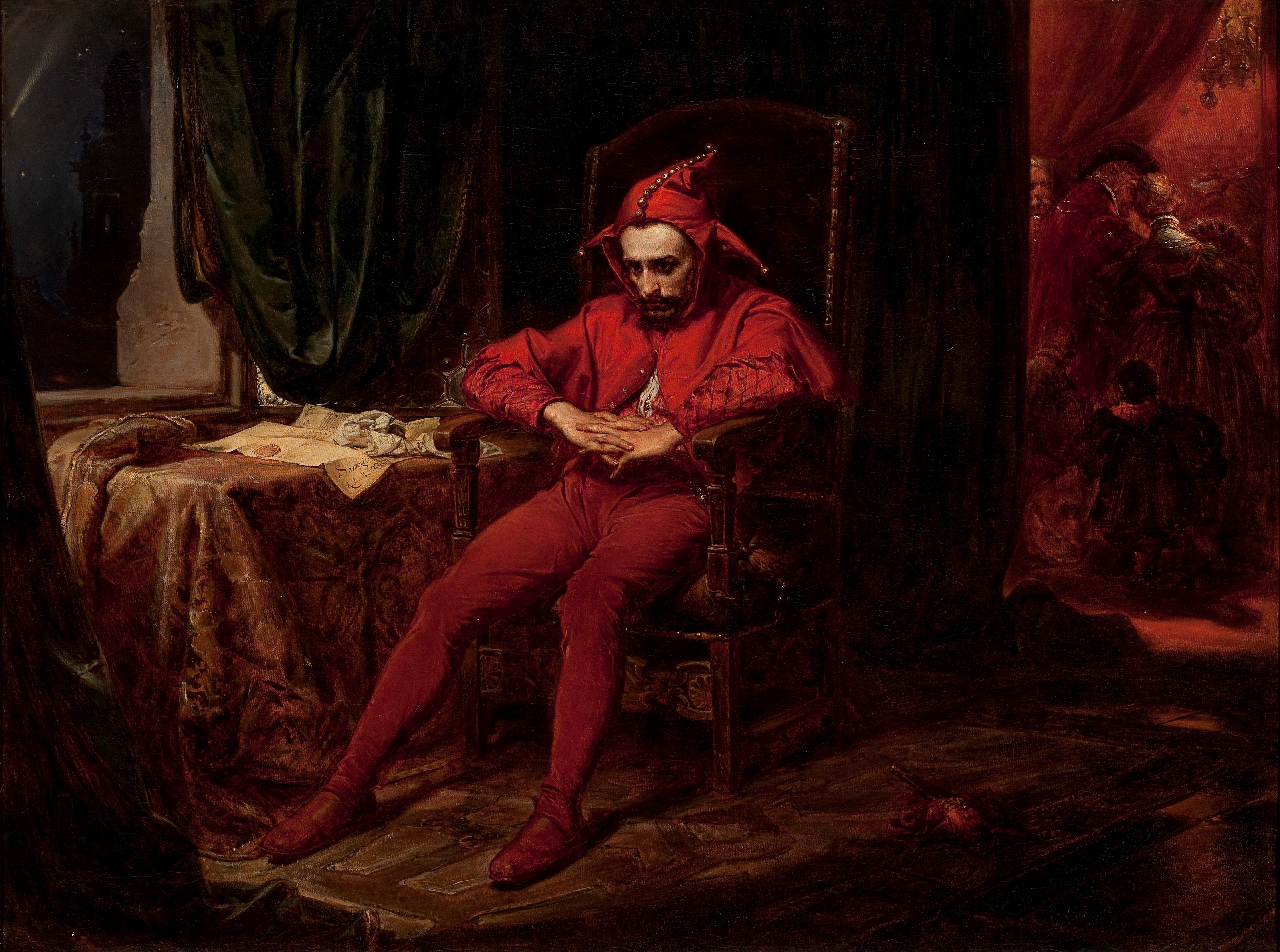
This means that expression is not something added at the end, like decoration attached to the “real” process of cognition. It is its natural continuation. The body does not merely go through a situation — it shows it. Through posture, gesture, the setting of the shoulders, the direction of the gaze, the pace of movement, the way it touches, the tension of the face, the loudness of the voice. Very often we answer with the body before we answer with words. And other people, in turn, receive us in exactly that way: not as pure content, but as a whole field of signals. Research on emotional body language and gesture has long suggested that signals from the whole body are automatically read and matter for decision-making, communication and action. Gesture is now often described not as an ornament of speech, but as part of communication and cognition itself.
At this point it is worth pausing for a moment with language, but only as much as this article needs. Because language is not yet the large separate subject here — that will come later. For now, it is enough to see it as a special case of expression. A human being does not only respond through movement or facial expression, but can also respond through meaning carried outward. A person can name a situation, warn, ask, calm, invite, coordinate action with others. In that sense, speech is not something detached from the body, but a more complex form of the organism’s response to the world. Contemporary work on gesture and language argues precisely this: human communication is embodied from the outset, and gesture and speech work together rather than belonging to two separate worlds.
When we look at all of this together, it becomes clearer that perception, cognition and expression are not three separate boxes. They are much closer to three aspects of one movement. Something reaches me. Something in it is picked out as relevant. Something is organized into a working sense. And then something comes back out of me into the world. That movement can be very simple: a sound, an orientation, a step to the side. Or it can be much more complex: tension, interpretation, decision, a sentence spoken to another person. But the logic remains similar. The organism does not merely have contact with the world. It is constantly doing something with that contact.
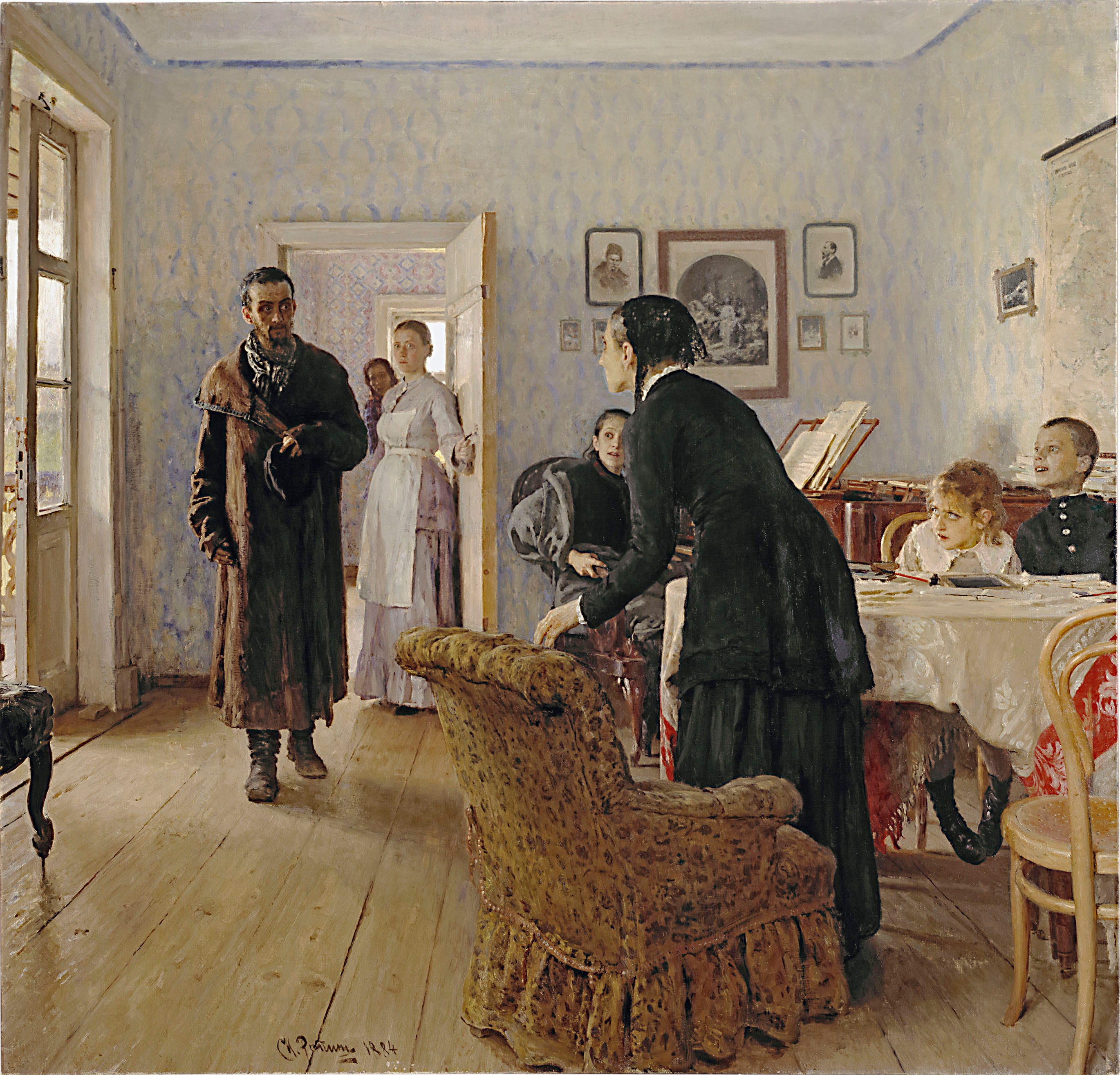
And that is exactly why this article closes the first large segment of the whole series. We began with matter. Then we saw that matter organizing itself into life becomes a living process. Then we saw that the body not only persists, but receives signals. And now it becomes visible more fully that from all of this there emerges a system capable of a loop: receiving, processing and responding. We have not yet reached attention, memory, language and narrative in their fuller sense. But we already have the foundation. We have a living organism that is neither a dead block of matter, nor merely a chemical reaction, nor a passive receiver of the world. It is a system that stays alive partly because it can turn contact into sense, and sense into response.
So perhaps the most honest way to put it would be this: a human being does not simply live “in the world” the way a piece of furniture sits in a room. A human being lives in a loop with the world. Something touches it, moves it, passes through it — and it, in turn, gives back movement, gesture, tension, voice and action. From this perspective, perception is no longer a quiet viewing of reality, cognition is no longer a cold computer in the head, and expression is no longer an optional extra added to some “real interior.” They are three moments of one process through which life becomes contact.
And perhaps this is where we have to begin before moving any further.
Not with grand concepts.
Not with identity.
Not with the meaning of life.
But with this simple, fundamental fact:
that a human being is the kind of being that is constantly receiving something, doing something with it, and answering it in some way.