

If the organism learns, then something must remain after experience. Not always in the form of a clear recollection, not always as an image that can be summoned on demand, not always as a sentence: “that is what happened then.” Sometimes what remains is tension in the body. Sometimes an expectation. Sometimes the reflex of pulling back before a thought has even appeared. Sometimes trust, which comes more easily because once, someone remained present for long enough. Sometimes distrust, which appears automatically before the other person has had time to do anything at all. Something passes onward. Something binds one moment to another. If this were not so, every experience would fall apart as soon as it happened, and a person would have to begin from zero in every next second.
This way of binding time is memory.
Usually we think of it as a storehouse. Something happened, it was recorded, and later it can be taken down from the shelf and looked at again. We say: “I have it in my memory,” “I keep that memory,” “I replay that day in my mind.” This language is understandable, but it deceives us a little. Because memory is not an archive in which untouched recordings of the past lie waiting. It is not a freezer for experiences. It is not a library with perfectly described files for every moment of life. It is rather a living process through which the past remains active in the present.
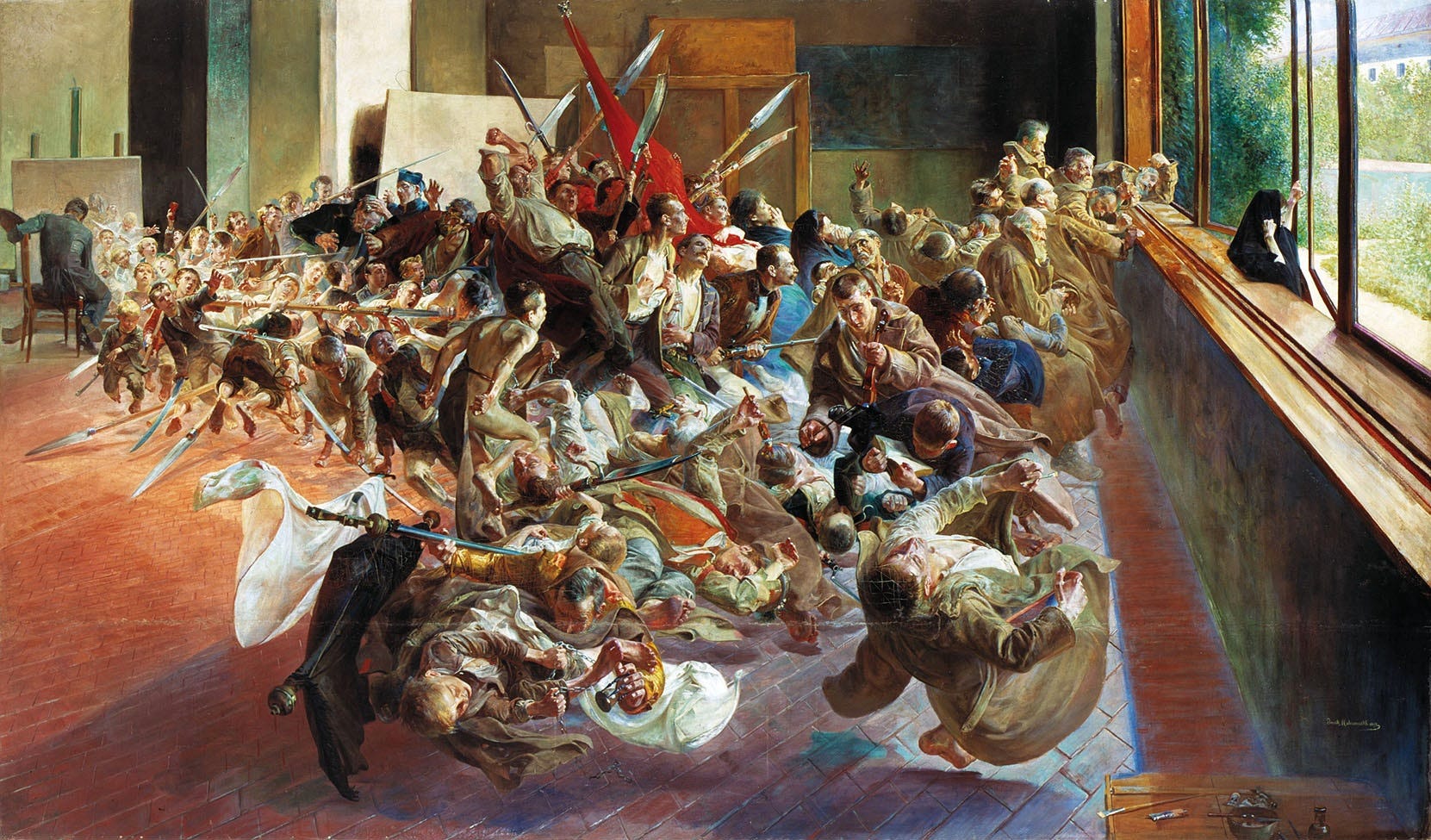
This means that memory does not only store. It also selects, strengthens, weakens, connects, shortens, fills in, and changes the meaning of what has been lived. Just as perception is not a pure reflection of the world, memory is not a pure reflection of the past. It is the way the past continues to work in the organism.
This is important: memory does not sit behind us. Memory works in us now. When you recognize someone’s face, memory is present. When you know how to open a door, how to hold a cup, how to arrange a sentence, how to walk down a familiar street — memory is present. When you hear a tone of voice and immediately feel that “something is wrong,” memory is present too. When you fear something that resembles an old situation, even if now it is not identical, memory is present. Not always as an image. Sometimes as an expectation. Sometimes as tension. Sometimes as a way of looking. Sometimes as readiness to defend. Sometimes as trust that comes easily because the world was once predictable enough. Sometimes as distrust that comes automatically because once it was necessary.
That is why memory is not only what one can consciously recall. This is a very important distinction. When we say “I remember,” we most often mean a memory that can be told: where I was, what happened, who was there, what I said, what I felt. But there is also a quieter memory. The memory of movement, habit, reflex, atmosphere, body. You may not remember exactly when you learned to fear someone’s silence, and yet the body reacts when it appears. You may not remember the first moment when you felt that attention had to be earned, and yet many years later you may still live as if that were true. You may not have one concrete memory that explains your fear, and still the system may remember a certain pattern.
Memory, then, can be a story, but it can also be the organism’s setting.
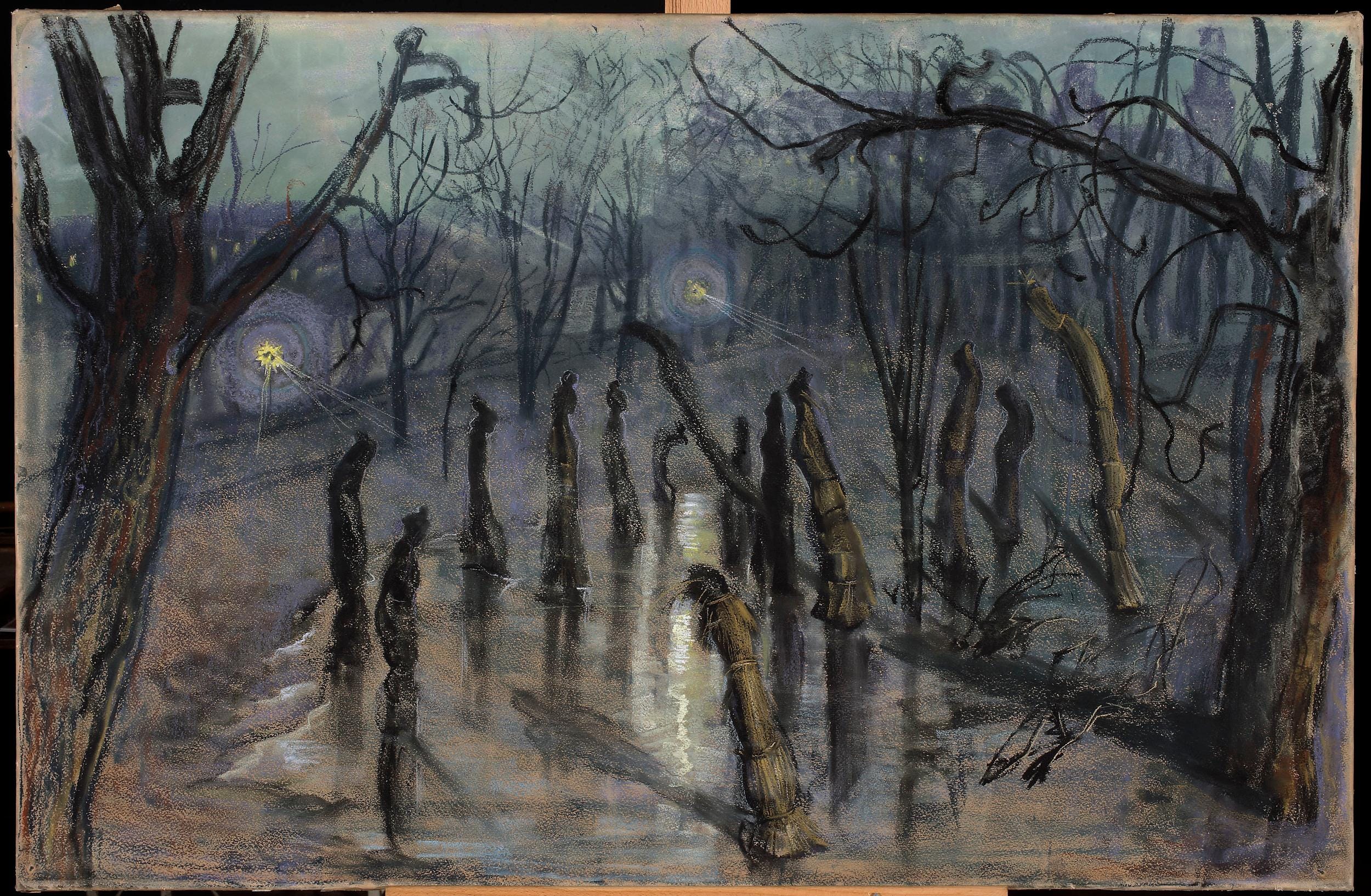
This leads us to something deeper still. If memory is not only a storehouse of facts, but a way in which the past shapes the present, then our “self” is not as simple as we like to think. In everyday life, we speak of ourselves as if we were one stable object moving through time: I was a child, I went to school, I fell in love, I made a mistake, I changed. There is something obvious and necessary in this language. Without it, life would be difficult. But when we look more closely, the matter becomes strange.
Because the body has changed. Cells change. Beliefs change. Needs, language, face, voice, relationships, fears, dreams — everything flows. The person from childhood, the person from ten years ago, and the person today are not identical. Often they do not want the same things, do not understand the world in the same way, love differently, suffer differently, defend themselves differently. And yet we say: it is still me.
Where does this sense of continuity come from?
Memory is one of the answers. Not the only one, but a very important one. It is thanks to memory that life is not only a series of disconnected moments. Memory stitches moments into a story. It allows us to say: something happened to me, I learned something, I lost something, I survived something, something remained with me. Thanks to memory, morning is connected with yesterday evening, today’s fear with an old experience, present closeness with an earlier hunger for closeness or an earlier wound. Thanks to memory, a person can recognize themselves as someone who does not begin from zero in every second.
But this stitching is not neutral.
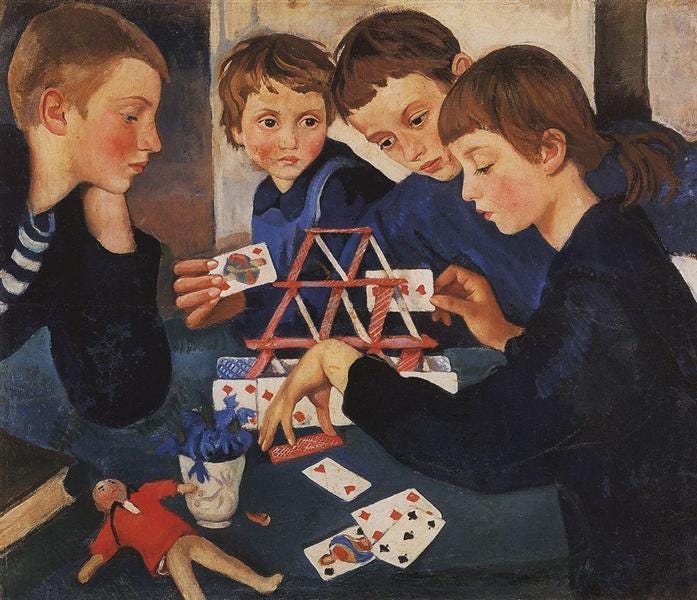
We do not remember everything. We remember selected fragments, and often not because they were the most objectively important, but because they mattered to the system. Something was very painful. Something was very safe. Something was new. Something was repeated many times. Something was tied to shame, fear, love, loss, triumph, or humiliation. Memory does not act like a fair chronicler. It acts more like an organism that asks: what from this may be needed later?
That is why we remember so much through emotion. This is not only about great dramas. Sometimes we remember the smell of a stairwell, the light in a kitchen, the weight of someone’s hand, the way someone spoke our name. Sometimes we remember one sentence from an entire conversation, one look more than the facts. Emotion acts like a marker: this had weight. This concerned safety, bond, value, threat, or hope. This must be kept, because it may still be useful.
In this way, memory becomes a tool of prediction. We do not remember only in order to know the past. We remember in order to enter the future better. If something once hurt, the system tries to recognize similar arrangements earlier. If something gave safety, the system tries to return to it. If a certain kind of person, tone, place, or situation was associated with danger, memory may sharpen vigilance. If something was a source of soothing, it may pull us in that direction. The past, then, is not only an album. It is a map of possible consequences.
The problem is that the map is not always up to date.
Sometimes memory helps. It protects, guides, reminds, gives wisdom. Thanks to it, we do not touch hot metal a second time. We do not trust someone who has hurt us repeatedly. We return to places, people, and rituals that regulate us. We learn. We mature. We do not begin over and over again. But sometimes memory mistakes similarity for repetition. A new situation is read through an old wound. A new person is fitted into an old pattern. Today’s mistake activates old shame. Today’s silence sounds like old abandonment. Then a person no longer lives only in the present. They live in a present saturated with the past.
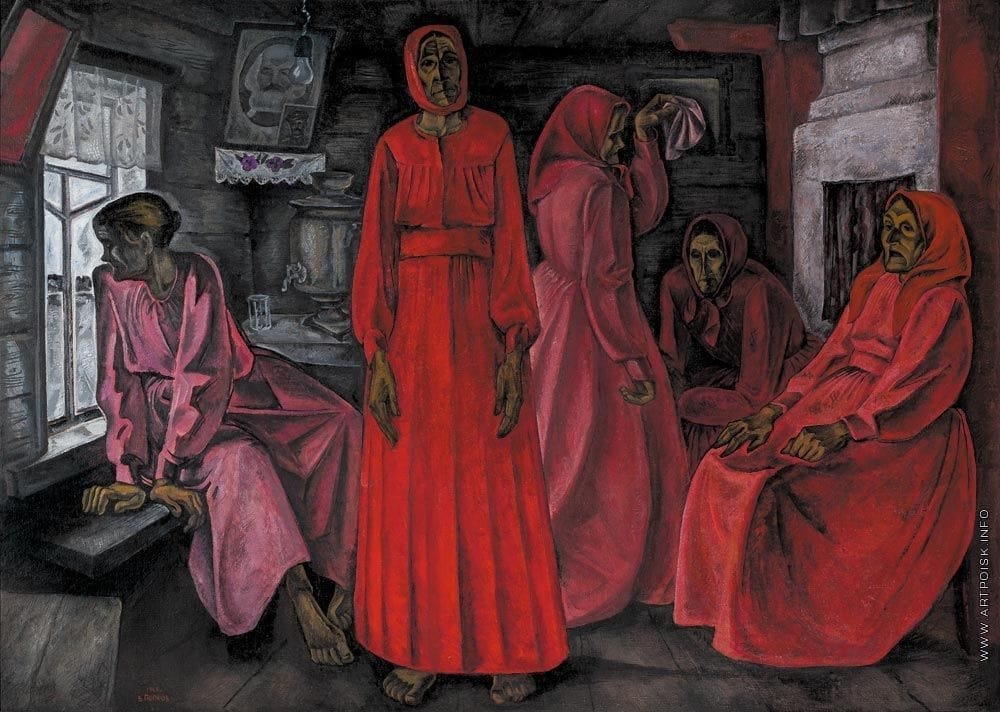
This can be very subtle. Someone speaks in an ordinary tone, and you feel like a child beside an adult who must be pleased. Someone does not answer immediately, and your body behaves as if it were about to be abandoned. Someone points out a detail, and within you an entire old world of evaluation, shame, and the need to be flawless awakens. Objectively, little has happened. But memory has added context. Not in order to deceive you. In order to prepare you. Except that sometimes it prepares you for a world that is no longer there.
And this is precisely why memory is so ambivalent. It is the basis of continuity, but it can also be a prison. It gives the feeling of “I know who I am,” but it can lock a person inside one version of themselves. It allows one to say “this shaped me,” but sometimes it whispers “this defines me forever.” Memory connects life into a whole, but the way it makes that connection matters enormously. From the same facts, different stories can be built. Not arbitrary ones, not false in every direction, but different ones.
One can remember failure as proof that “I am hopeless.” One can also remember it as a moment in which I did not yet know how to do something. One can remember loss as the end of everything. After a long time, one can also remember it as a wound that truly changed life, but does not exhaust all of life. One can remember childhood only as a sequence of harms, and one can also, without invalidating those harms, see within it fragments of strength, cleverness, survival, tenderness, which were also real. This is not a simple rewriting of history. History resists. But because memory is alive, the arrangement of meanings can change over time.
This does not change the facts. It changes the relationship to the facts.
This distinction is very important. Mature work with memory is not about pretending that something did not happen. It is not about smoothing over suffering or quickly finding the positives. Sometimes the most honest thing is to say: that was wrong. It hurt. It should not have happened. But even then, the question remains: what is this memory doing to me now? Is it still only an alarm? Can it also become knowledge? Is it a sentence? Or can it become part of a story that does not have to take away the whole future?
Memory, then, is not only about the past. It is also about freedom in relation to the past.
Not complete freedom, because no one steps outside their history the way one steps out of a room. You cannot simply take life off yourself. But there can be a difference between being led by memory without awareness and seeing that memory is working right now. Sometimes the simple sentence “this is old” changes something in the situation. It does not remove the pain, but it introduces distance. It does not erase the reaction, but it allows us to see that the reaction does not belong only to this moment. It is an echo. It is a pattern. It is an old map activated by a current stimulus.
And when we see memory as memory, the present can recover a little space.
This also concerns identity. Very often, a person thinks about themselves through the memories that are most easily accessible. If images of one’s own failure often return, identity begins to say: I am someone who does not succeed. If images of rejection often return, identity may say: I am someone people leave. If situations in which everything had to be controlled often return, identity may say: I am someone who has to keep watch, otherwise everything will fall apart. Over time, memory stops sounding like memory. It begins to sound like a definition.
And definitions are very powerful.
“I am shy.” “I am difficult.” “I am not enough.” “I am strong.” “I am the responsible one.” “I am the problem.” “I am someone who always has to manage.” Each of these sentences may have a history. Each may be a shortcut through many experiences. But each may also stop being a description and become a cage. Because a person begins to choose from memory what confirms the definition, and to omit what might loosen it. Just as attention selects the world, memory selects the story that fits the image of “me.”
And here we can see how deeply the earlier texts connect with one another. Matter is not a dead lump. The organism is a system. The body is a process. The nervous system creates a world of signals. Attention selects fragments of reality. Perception assembles them into the first version of the world. And memory begins to arrange these versions into the continuity we later call life.
This is not an addition to the human being. It is one of the axes of being human.
Without memory, there would be no learning. There would be no relationships, because every person would have to be recognized anew. There would be no guilt or responsibility, but there would also be no gratitude, loyalty, mourning, promise, longing. There would be no “I return,” “I have been there before,” “I do not want to repeat that,” “that mattered to me.” Memory ensures that time does not pass through us entirely without a trace. Thanks to it, life has layers.
But layers can weigh heavily.
Sometimes a person suffers not because they do not remember, but because they remember too strongly, too often, too bodily. Certain experiences are not calmly placed into the past. They return as the present. The body reacts as if the threat were still ongoing. An image appears uninvited. A sound triggers alarm. A touch carries someone to a place they do not want to return to. In such situations, memory is not a story told from a distance. It is an event still trying to complete itself.
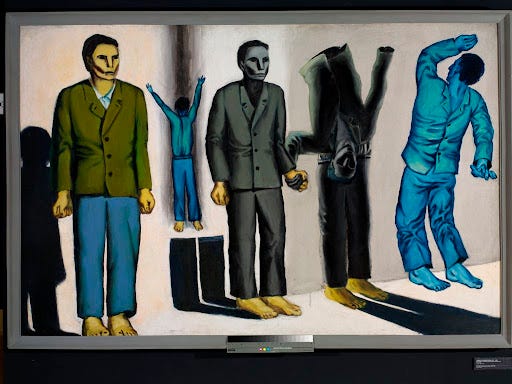
This shows that memory needs not only recording, but also integration. Experience has to be included somehow in the whole of life. It has to find a place. Not always as something good. Not always as something meaningful. Sometimes only as something that happened and does not have to keep happening again endlessly. Integration does not mean reconciliation with everything. It means, rather, that a memory can become part of a story instead of constantly tearing the present open. That the past can be the past, even if it still hurts.
This is one of the hardest tasks of the human system: to allow what was to remain important, but not all-powerful.
We do not do this only through thought. Memory changes through the body, relationships, repetition, sleep, conversation, language, safety, new experiences. Sometimes through someone finally listening differently. Sometimes through a similar situation ending differently than it once did. Sometimes through a person saying out loud something that for years had been only tension. Sometimes through the body experiencing calm in a place that previously was associated with alarm. The system does not learn only through arguments. It learns through lived corrections.
That is why one good experience rarely frees an old memory immediately, although it may be a beginning. If for years the world taught you that closeness ends in pain, one good conversation may be beautiful, but the system may not yet believe it. If for years a mistake meant shame, one situation in which no one shamed you may not immediately change the whole map. Memory needs new repetitions. It needs evidence that another world was not an exception. It needs time to stop treating the past as the only available textbook for the future.
And yet this is possible. Not in the sense of complete erasure. Rather, in the sense of a transformed relationship. A memory may remain, but stop governing every similar moment. An old pain may remain true, but no longer have to define the whole person. What was once the center of the story can become one of its chapters. An important one, perhaps a painful one, but not the only one. A person does not have to stop remembering in order to be freer. Sometimes they have to remember differently.
And here we reach the core of this text: memory does not only store “what happened.” Memory co-creates the sense of “who I am.”
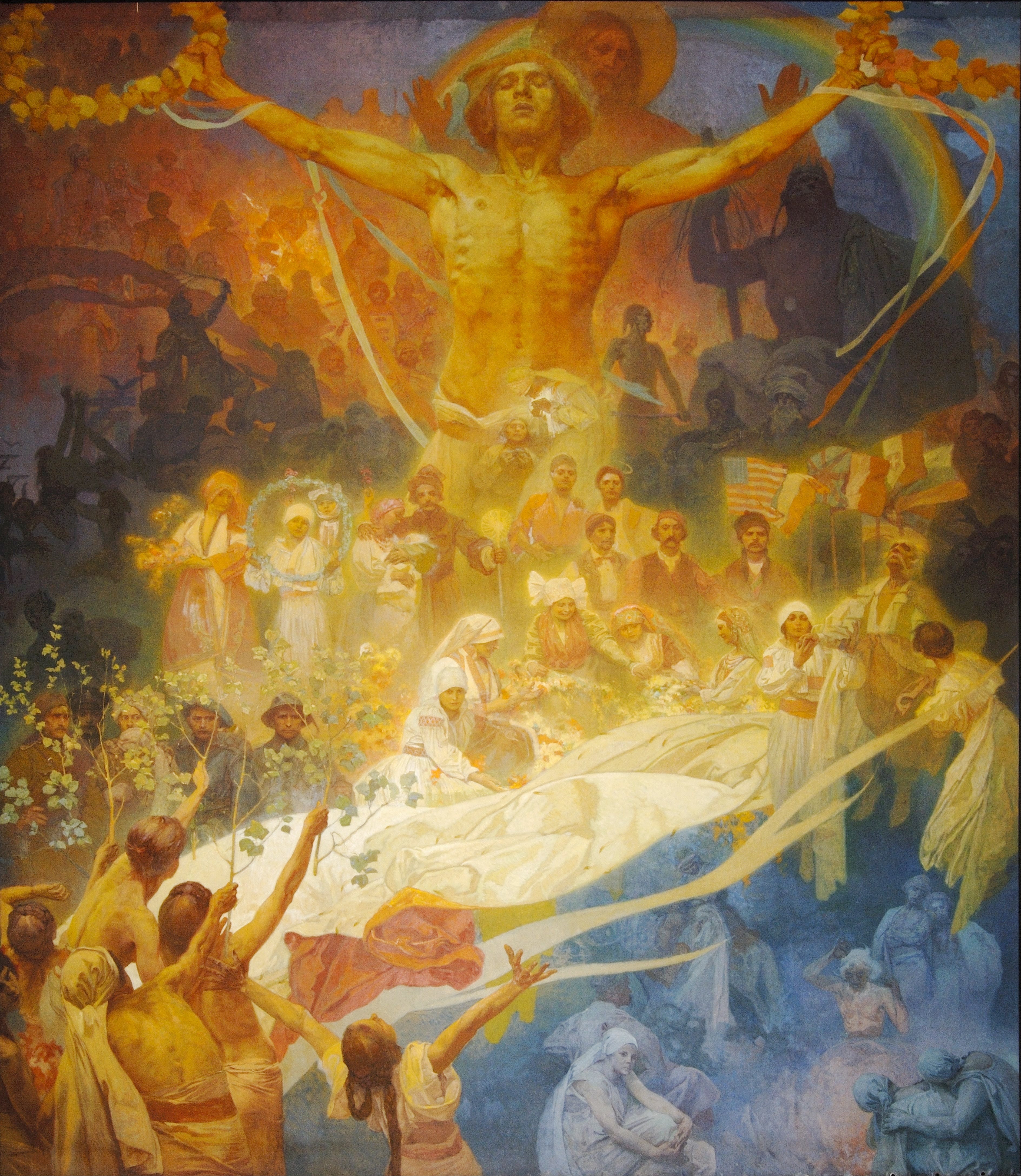
Not because we are only history. Body, temperament, relationships, current conditions, desires, and choices matter too. But without memory, there would be no axis around which continuity could be felt. It is memory that allows one to say: I was there, I lived through that, I changed, but my life is still mine. It gives the sense that today’s “I” did not come from nowhere. That it has roots, even if some of them hurt. That I am a process, but not chaos.
Memory is therefore a bridge between change and identity. If everything were stable, memory would not be so necessary. We would simply be the same object. If everything were completely changeable, memory would not be able to hold anything together. We would be a series of unconnected moments. But a human being is somewhere in between. They change, and at the same time recognize themselves. They lose and preserve. They rewrite meanings, but they do not begin from a blank page. They are continuous not because nothing in them moves, but because the changes are somehow connected.
This connection often takes the form of story. This is not yet about the great literature of one’s own life. It is about the ordinary sentences we carry within us: I always had to manage on my own, I was never enough, I managed to survive, I learned not to trust, only later did I understand, that changed me. Such sentences are like threads. They connect facts, emotions, and meanings. Sometimes they help maintain coherence. Sometimes they impoverish it. Sometimes they are needed for a while, and then they become too tight.
That is why the story about oneself is not innocent. The way we remember influences what we consider possible. If I remember myself mainly as someone who fails, it is harder for me to enter a new experience without fear. If I remember myself mainly as someone who must be strong, it is harder for me to accept help. If I remember myself mainly as someone who has been harmed, I may fail to notice areas of agency. If I remember myself only as the one who causes harm, I may not allow my own fragility. Memory does not only say what was. It suggests who I am allowed to be now.
And yet a human being is always a little larger than their own memory.
This, too, has to be said. Because memory is powerful, but it is not the whole person. There are new encounters, new gestures, new decisions, new ways of breathing in the world. There are moments that do not yet fit the old story. There are relationships that slowly show the organism other possibilities. There is the capacity to learn, even if sometimes very slowly. If memory were an absolute sentence, change would not be possible. And yet people change. Not magically. Not without cost. But really.
Perhaps this is precisely why memory should be treated with respect, but not with worship. It is not worth dismissing, because without it we will not understand the human being. But neither is it worth taking its first version as the final truth. A memory can be true and incomplete. It can be sincere and distorted. It can protect and limit at the same time. It can speak about what was, but also about what the system did not have the strength to see then. It can return not because it wants to destroy us, but because something in it still demands a place, language, or soothing.
In this sense, memory is one of the most human functions: imperfect, creative, painful, protective, and necessary. Thanks to it, we are not only a reaction to the current stimulus. We have a history. We recognize people, places, ourselves. We know what we feared, what we loved, what we regret, what we long for. But precisely because of it, we are also never entirely “here and now.” We always arrive with something. With a map. With weight. With learning. With a wound. With a rhythm. With an expectation. With something that has already been marked as important.
A person, then, does not live only in the world they see. They also live in the world they remember.
And this remembered world constantly mixes with the present one. When we enter a new relationship, the memory of old relationships comes with us. When we try something new, the memory of old failures and successes sets the tension in the body. When someone touches us, looks at us, evaluates us, invites us, or leaves, memory suggests what this may mean. Sometimes well. Sometimes too quickly. Sometimes too sharply. Sometimes with great wisdom.
The point, then, is not to get rid of memory. The point is to see that it is working. That when you say “this is just how I am,” perhaps sometimes you are saying: this is how I have long remembered myself in similar situations. When you say “this is how it always ends,” perhaps sometimes you are saying: this is how it ended back then, when my system learned to predict pain. When you say “I don’t know how to do otherwise,” perhaps sometimes you are saying: my memory does not yet have enough experiences to build another road. These are not simple consolations. They are rather a way of recovering movement where definition pretends to be destiny.
And perhaps this is where memory meets hope.
Not naïve hope that everything can be forgotten. Not the brutal demand to “move on” without grief. Rather, a quieter hope that what was can be included in life differently. That one can be the same person, but not imprisoned in the same way. That the continuity of “I” does not have to mean repeating the same reaction. That history can be true and still not finished.
We might put it this way: memory is the process through which the organism preserves traces of experience and arranges them into a sense of continuity. It does not store the past as a dead record. Rather, it allows the past to participate in the present — sometimes as knowledge, sometimes as a wound, sometimes as protection, sometimes as weight, sometimes as a source of meaning. Thanks to memory, a person can say: all of this was my life.
But only language allows them to ask: what does this life mean?
Because memory can preserve images, tensions, smells, gestures, and scenes. It can bind time. It can give a sense of continuity. But in order for concepts, stories, categories, explanations, and sentences about oneself to arise from these traces, we need another layer. We need to name what has been lived.
And that is why the next step must be language.